

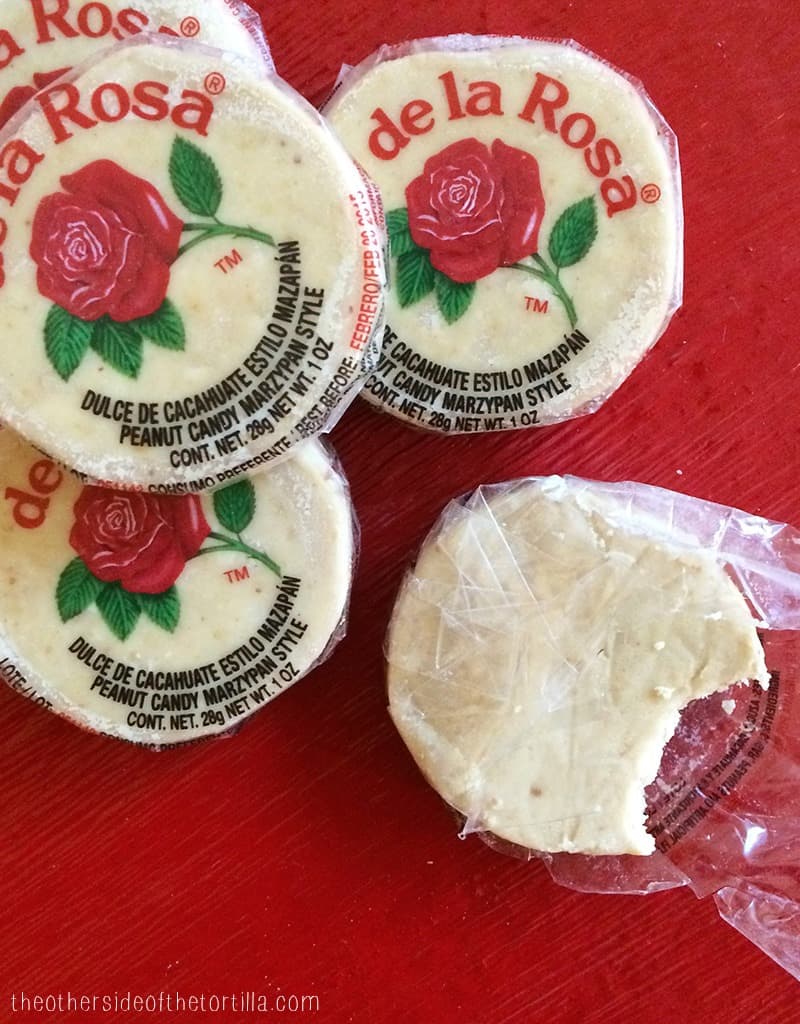
Mexican marzipan, known as mazapan, is perhaps one of the simplest candy treats to make. After all, it's typically only got two ingredients: ground peanuts and powdered sugar. Earlier this week, a friend at work brought me a bag full of mazapanes from her cousin's trip to Mexico. He had given her too many and so I offered to take some of them off her hands. This simple, traditional candy reminds me of my husband's abuelita Ana and her sweet, sly smile when she talked about her favorite foods. Her eyes twinkled and she would get this contagious grin that started on one side and slowly spread across her mouth, as if she knew the world's best secret.
Mexican Christmas Traditions
 ...
...Trenza de huevo con chorizo
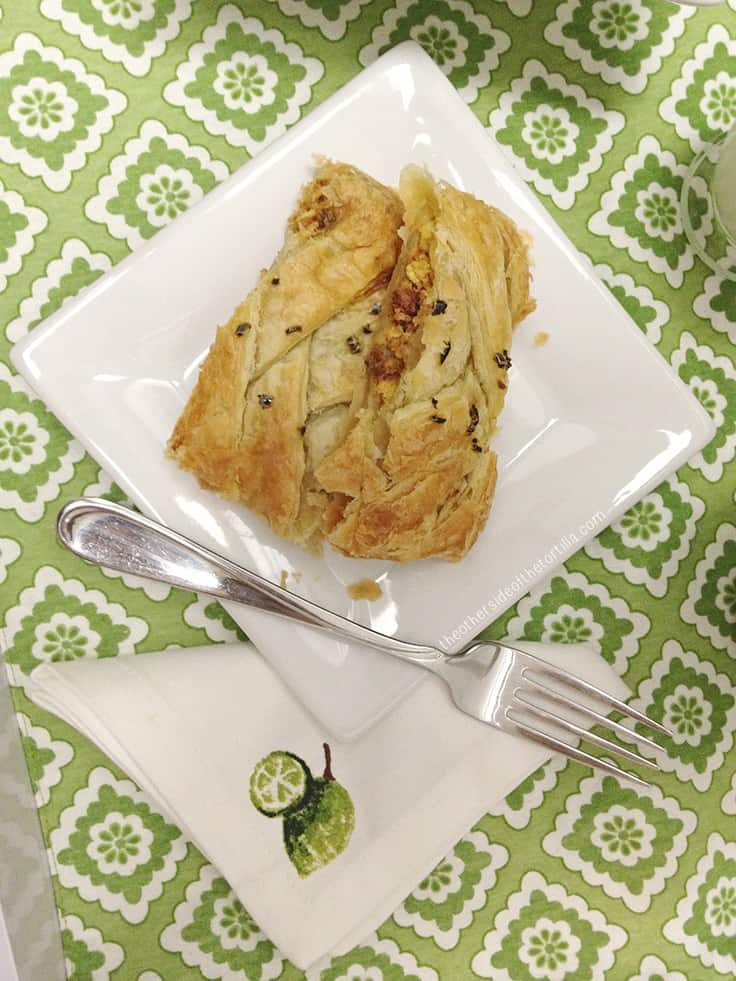
This savory Mexican breakfast pastry braid stuffed with scrambled eggs and chorizo—known as a trenza de huevo con chorizo—is a simple recipe to please your breakfast or brunch crowd.
If you ask me, breakfast pastries are a pretty genius invention, whether they're sweet or savory. And I admit it: I will pretty much eat anything wrapped in puff pastry. It's one of my weaknesses. This recipe is one of my go-to breakfast or brunch recipes when I'm trying to do something fancy that looks like I put in a ton of effort but don't want to spend hours in the kitchen cooking. I like to serve slices of this savory breakfast pastry braid with coffee, fresh-squeezed juice and seasonal fruit.
If you like, you can choose other mix-ins with your scrambled eggs such as chile poblano strips and onion, chiltomate (a salsa made with Roma tomatoes and chile habanero), or anything else you normally would scramble in with eggs.
 ...
...Agua de melón verde y pepino
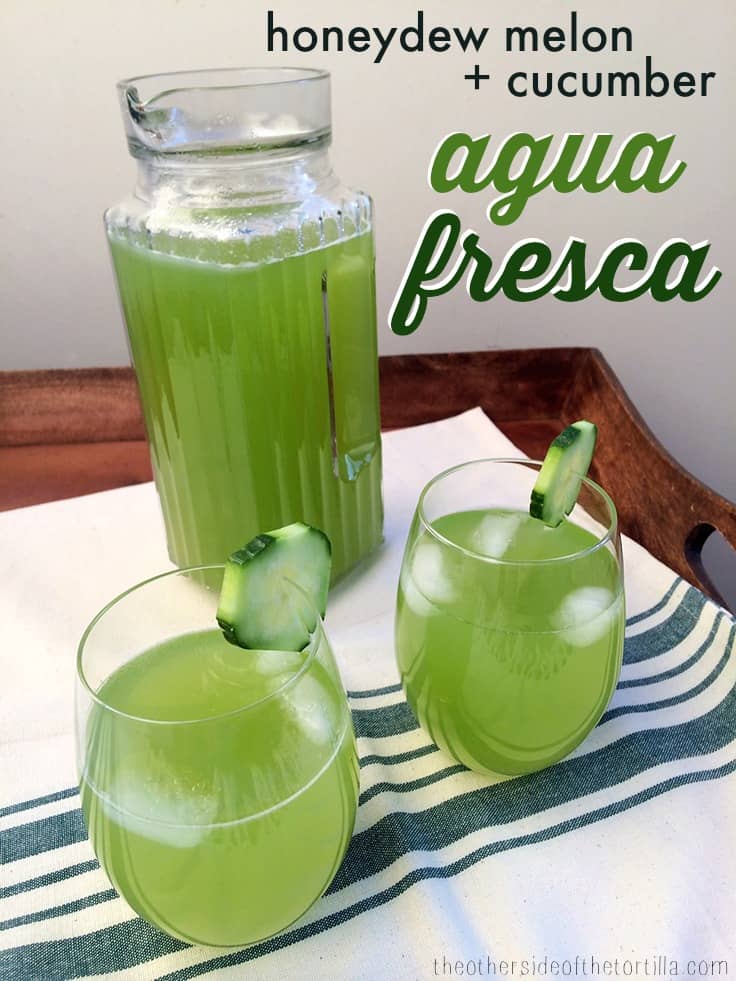
Aguas frescas are a staple in most Mexican and Mexican-American homes, mine included. The best aguas frescas are made with ingredients that are in season because they're easiest to get, typically cost less because they are more abundant, and have the best flavor because they're at their peak growing season. Honeydew melon—also known as melón verde—is in season typically from May to October, with the peak from May to August, but we've been seeing a lot of this melon in the grocery stores in Southern California since mid-March. This honeydew and cucumber agua fresca recipe is light and refreshing for warm spring and summer days. You can also opt to serve it straight as a juice with breakfast—just run through a juicer or powerful blender and leave out the water and optional sugar.
 ...
...
Visiting a strawberry farm with the California Strawberry Commission
In March, I was invited by the California Strawberry Commission to tour a strawberry farm. This invitation came about after I recently passed through Oxnard on a road trip, where there happen to be several of strawberry farms, and I shared a photo on Instagram and Twitter, asking whether there were any farms that gave tours. The fields and roadside strawberry stands in Oxnard reminded me of Irapuato, a central Mexican town best known for its strawberry fields and the quaint roadside stands where you can get fresh fresas con crema. I’m always interested in knowing about where my food comes from, and living in California, there’s an abundance of local, fresh produce year-round. I was excited to visit a California strawberry farm and have the chance to ask the farmers questions about where my berries come from and how they’re grown. This post is sponsored by the California Strawberry Commission, but all experiences and opinions are my own.
On this visit, I learned that nearly 90 percent of strawberries grown in the U.S. come from California, and strawberries are grown here year-round (with a peak season in March and April) due to the optimal climate, sandy coastal soil and ocean exposure. There are more than 400 strawberry farmers who grow both conventional and organic berries, and California is also the biggest grower of organic strawberries worldwide. Oxnard, where the farm we visited is located, is about 60 miles from downtown Los Angeles.
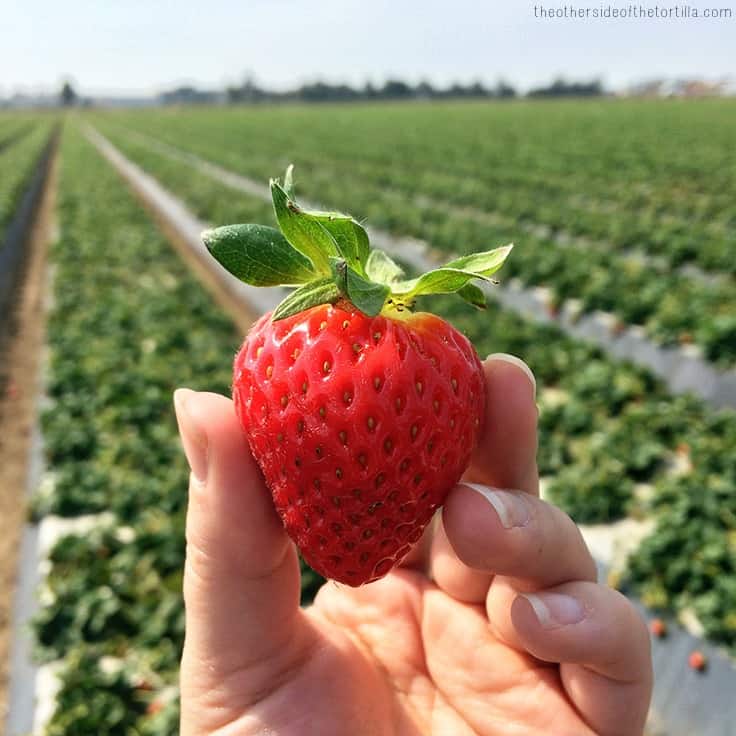
The farm that we visited was a family farm that has been farming in Ventura County, California, for more than 110 years. Farmers Edgar and William Terry gave us a tour of their farm, a chance to taste berries fresh from the field and ask questions—even the hard ones. Although the farm we visited was not an organic strawberry farm, I learned a great deal about the methods for growing strawberries and food safety issues (both food safety practiced in the field by the people picking your berries as well as pesticides used and how they affect our health), as well as who is growing and picking my strawberries....
Celebrating Día de los Niños, Día de los Libros with author Lupe Ruiz-Flores
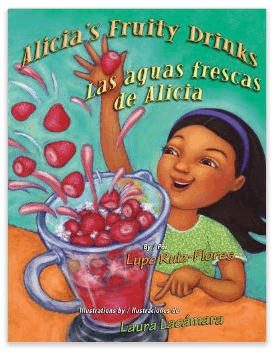
Today, I’m participating in Latinas for Latino Literature’s Día Blog Hop. Over 24 days, 24 Latina bloggers are paired with 24 authors and illustrators. This initiative, started in 2013 in the United States by poet Pat Mora, is in honor of Día de los Niños, Día de los Libros which is celebrated on April 30. All of the guest writers were asked to share an original story or illustration in support of Latino children’s literacy. The Other Side of The Tortilla is the fifth stop on the hop.
I’m thrilled to have been matched with Lupe Ruiz-Flores, the author of one of my favorite bilingual children’s books, Las Aguas Frescas de Alicia.
The story is about a little girl who attends a Mexican Independence Day festival with her parents and discovers agues frescas for the first time. She loves the fruit juices so much, she wants to make them at home with her mami, and soon is creating her own recipes to share with her soccer teammates.
It’s no secret that we’re huge agua fresca fans here at The Other Side of The Tortilla, and I believe teaching your kids about their family roots through food is a beautiful and meaningful way to instill culture and identity, as well as create lifetime memories. Books are another excellent way to teach kids about culture, and we couldn’t do that without Latino authors writing books filled with characters our children can identify with. As such, I’m proud to have my site serve as a vehicle to spread the word about the deep ties between literacy and culture and what they can do for our community.
Lupe Ruiz-Flores has shared an original essay for our readers as part of the L4LL blog hop. You can find the full schedule for all stops on the Día blog hop on the L4LL website.
—Maura...